
How to Drift in Car Parking Multiplayer
Drifting is one of the most satisfying skills in Car Parking Multiplayer. Holding a car sideways through a corner, balancing throttle and steering while the rear tyres slide, feels completely different from normal driving, and it turns heads wherever you do it. It looks like magic from the outside, but it is really a set of learnable techniques built on good car control.
This guide teaches you how to drift in Car Parking Multiplayer from the ground up: what drift mode is and where to find it, which cars and drivetrains work best, the handbrake technique step by step, the settings that help, the best places to practise, and the common mistakes that keep beginners spinning. Work through it patiently and you will go from accidental slides to controlled, confident drifts.
What Is Drifting, Really?
Drifting means driving through corners with the rear of the car sliding sideways in a controlled way, while you steer to keep it on your intended line. The front wheels still grip and steer; the rear wheels deliberately lose grip and follow a wider arc. A good drift balances on that edge: enough slide to look and feel dramatic, enough control to go where you want.
In the game, drifting is both a style and a skill. Some players drift for fun in free roam, some practise it as a discipline of its own, and many simply enjoy the feeling of a car moving beneath them. Whatever your motivation, the foundation is the same: a suitable car, sensible settings and lots of patient practice in safe places.
Drift Mode: Where to Practise
If the game offers a dedicated drift mode or drift-friendly area, start there. These spaces are designed for sliding: wide, open tarmac with room for mistakes and often scoring that rewards angle and smoothness. They remove traffic, barriers and pressure, letting you focus entirely on technique.
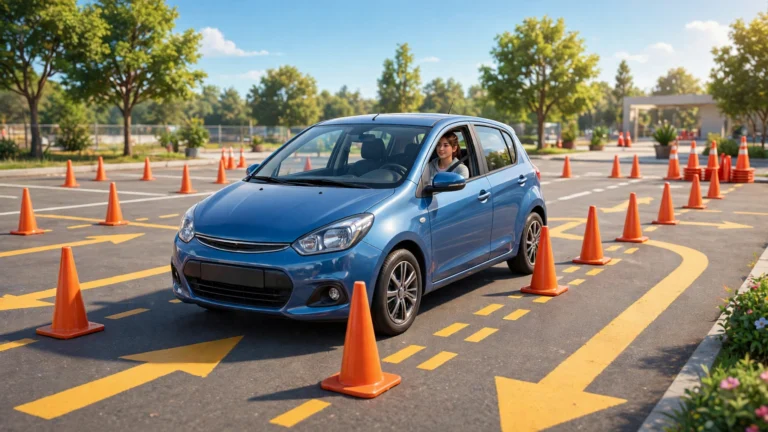
If there is no labelled drift mode in your version, create your own. Find a large empty car park or a wide open area with no obstacles, and treat it as your personal drift circuit. The key qualities are space, smooth tarmac and nothing to hit. Learning to drift near walls or other players is a recipe for frustration; give yourself room and the learning curve becomes far gentler.
The Best Cars for Drifting: Go Rear-Wheel Drive
Rear-wheel drive is the drivetrain of drifting. Because the rear wheels both push the car and break traction, a RWD car can be steered with the throttle in a way that front-wheel and all-wheel drive cars cannot match. When choosing your first drift car, RWD is not a preference; it is the correct tool for the job.
Pick a car with moderate power rather than the most powerful machine you own. Huge power makes the rear break away violently and snap back unpredictably, which is exhausting for a beginner. A balanced, medium-power RWD car slides progressively and gives you time to react, which is exactly what learning requires. Heavier cars can feel stable and predictable, while lighter cars feel nimble but twitchy; try both and see which suits your hands.
Make sure the car is in good standard condition before you modify anything. Worn-feeling default setups are actually ideal for learning, because they behave honestly. Only start tuning for drifting once you can already hold a basic slide, so you understand what each change does to a technique you can already perform.
Settings That Help You Drift
Drifting asks the car to do the opposite of normal driving, so the settings are reversed too. Reduce or switch off traction control, because TCS exists to stop exactly the wheelspin you are trying to create. Reduce stability control as well, since it will fight your attempts to slide by braking individual wheels. Keep ABS on while learning, because you still want reliable braking when a drift goes wrong.
For suspension, a medium-firm setup with a slightly lowered ride height usually gives the most predictable slides. Very soft suspension feels vague when the car is sideways, and extremely stiff suspension can snap from grip to slide with little warning. If the tuning menu offers tyre or grip options, a slightly lower rear grip feel helps the back step out progressively rather than suddenly.
Choose a steering method you can be smooth with. Jerky steering kills drifts, so whichever control you use, practise small, calm corrections. Set steering sensitivity to a middle value: too sensitive and every correction becomes an overcorrection, too lazy and you cannot catch a slide in time.
| Setting | Normal Driving | Drifting |
|---|---|---|
| Traction control | On for stability | Reduced or off |
| Stability control | On for safety | Reduced or off |
| ABS | On | Keep on while learning |
| Suspension | Comfortable | Medium-firm, slightly lower |
| Drivetrain | Any | Rear-wheel drive |
The Handbrake Technique, Step by Step
The handbrake turn is the classic way to start a drift, and it is the technique to master first. Here is the sequence, broken down slowly.
Step 1: Approach at Moderate Speed
Drive towards a wide, open corner at a moderate speed, faster than parking pace but well below racing speed. You need enough momentum for the car to slide, but not so much that everything happens too fast to control. For your first attempts, slower is always better.
Step 2: Turn In Gently
Begin your turn smoothly, steering into the corner as you normally would. The car should be settled and balanced, not already leaning hard. A calm entry gives you a stable platform for everything that follows.
Step 3: Pull the Handbrake Briefly
Give the handbrake a short, firm pull while keeping the steering turned. This locks the rear wheels momentarily and breaks their grip, letting the back of the car step out sideways. The key word is briefly: a quick pull starts the slide, while holding it too long just spins the car. Think of it as a tap, not a yank.
Step 4: Counter-Steer and Balance the Throttle
As the rear steps out, steer into the slide, turning the wheel towards the direction the rear is going, which feels like steering away from the corner. At the same time, feed in gentle throttle to keep the rear wheels spinning and the slide alive. This balancing act is the heart of drifting: too little throttle and the car straightens up, too much and it spins.
Step 5: Straighten Up Smoothly
To end the drift, ease off the throttle gradually and unwind the steering smoothly as the car straightens. Avoid snapping the wheel back suddenly, which can flick the car into a spin the other way. A good drift ends as calmly as it began.
Practise this sequence dozens of times in your empty practice area before trying anything more advanced. Film yourself or watch replays if the game offers them; seeing your own slides reveals habits you cannot feel from the driver’s seat.
Practice Spots and Modes
The best practice spot is a large, empty, flat area with no obstacles and plenty of run-off room. Wide car parks, open tarmac areas and dedicated drift zones are ideal. Avoid narrow streets, areas with barriers close to the driving line and anywhere with traffic until your slides are reliable.
Structure your practice in stages. Stage one is single slides: one corner, one slide, one clean exit, repeated until it feels boring. Stage two is linking two corners, carrying the slide from one turn into the next. Stage three is longer flowing sequences and figure-of-eight patterns that demand constant balance. Do not rush the stages; each one builds the car control the next one needs.
When you are comfortable alone, try drifting with a friend in a private room. Following another drifter teaches you line choice and timing, and friendly tandem practice is far more fun than solo repetition. Agree on simple rules first: plenty of space between cars, no contact, and stop if anyone feels uncomfortable.
Common Drifting Mistakes
The first mistake is too much speed. Beginners often charge into corners far too fast, which makes everything happen too quickly to learn from. Slow down until you can feel each phase of the slide, then add speed gradually as control improves.
The second is yanking the handbrake instead of tapping it. A violent pull spins the car; a brief, deliberate pull starts a controllable slide. If you keep spinning on entry, use less handbrake and less entry speed before changing anything else.
The third is freezing on the steering. Many beginners turn in and then hold the wheel fixed while the car slides, which guarantees a spin. Drifting needs constant small corrections: steer into the slide, adjust as the angle changes, and unwind smoothly at the exit. Active hands are everything.
The fourth is too much throttle. Flooring the accelerator mid-slide usually ends in a spin, especially in powerful cars. Think of the throttle as a dimmer switch, not an on-off button, and make small adjustments while watching how the car’s angle responds.
The fifth is practising in the wrong place. Trying to learn next to walls, barriers or other players adds pressure and punishment to every mistake. Move to open space and your progress will accelerate, because you can experiment freely without fear.
Staying Safe and Courteous While Drifting
Drifting near other players demands manners. In public lobbies, never drift through someone’s car meet, parking attempt or conversation. Take your sliding to empty areas or dedicated zones, and give other drivers plenty of room. A spectacular drift that ruins someone else’s evening is not skilful; it is selfish.
In private rooms with friends, agree on drift zones and keep the rest of the map calm. Warn others before starting a run, and stop immediately if someone is uncomfortable. The drifting community is at its best when it is welcoming, and nothing welcomes newcomers like patient, considerate experienced drivers.
FAQs
A rear-wheel drive car with moderate power. RWD lets you steer with the throttle, and sensible power gives you time to react while learning.
No. A dedicated drift area helps, but any large, empty, flat space with nothing to hit works just as well for practice.
Turn in gently at moderate speed, give the handbrake a brief firm pull to break rear grip, then counter-steer and balance the throttle to hold the slide.
Yes, reduce or switch them off, because they are designed to stop slides. Keep ABS on while you are learning for reliable braking.
Usually too much entry speed, too hard a handbrake pull, or too much throttle mid-slide. Slow down, be gentler with every input, and practise in open space.
A large empty car park or open tarmac area with no obstacles. Learn single slides first, then link corners, and only drift near others once you are reliable.