
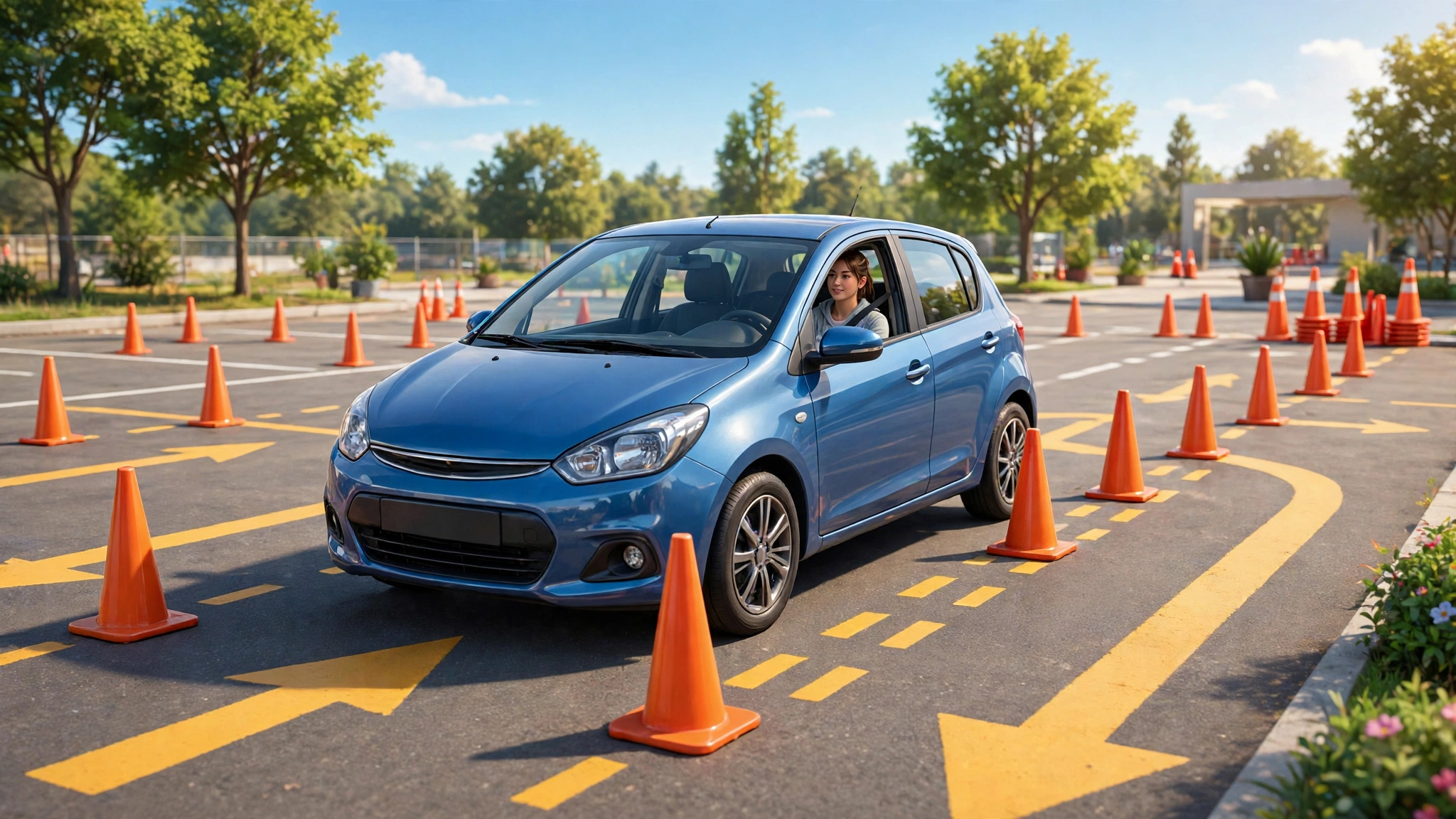
Car Parking Multiplayer Tips and Tricks for Beginners
Every expert driver in Car Parking Multiplayer was once a beginner who mounted the kerb, missed the parking bay and wondered why their expensive new car kept spinning. The game looks simple from the outside, but it rewards patience, smooth inputs and a little bit of knowledge about how its cars and settings actually work.
This guide gathers the tips and tricks that make the biggest difference in your first weeks. You will learn why starting in single player is the smartest move, how to choose controls that suit your hands, what the driving aids TCS, ABS and ESP really do, how to approach parking levels calmly, how to earn cash without stress, and which common mistakes hold beginners back the longest. Take it steadily, practise one idea at a time, and you will be parking neatly and cruising confidently much sooner than you expect.
Start in Single Player, Not Online
The single-player parking levels are the game’s built-in driving school, and skipping them is the most common beginner error. They teach you the fundamentals in a calm environment: judging distances, using mirrors and cameras, controlling speed at low revs and understanding how each car turns. There is no audience, no pressure and no one waiting on you, so you can repeat a level as many times as you like.
Work through the early levels slowly rather than rushing to unlock everything. Each new scenario introduces a slightly harder idea, such as reverse parking, angled bays or tighter spaces with obstacles nearby. When a level feels easy and you can complete it without touching anything, you are ready for the next one. That feeling of genuine control is exactly what online play demands, and it cannot be faked.
Single player is also where you should test new cars. Every car steers, brakes and accelerates differently, and a powerful car that feels exciting in the showroom can feel wild on the road. Spend ten minutes in an empty area with each new purchase, practising gentle starts, emergency stops and slow turns, before you take it anywhere busy.
Choose Controls That Suit Your Hands
The game offers several ways to steer, usually including on-screen arrows or buttons, a steering wheel graphic and tilt control using your phone’s motion sensor. There is no universally best option, only the one that feels most natural to you, so try each for at least a few full levels before deciding.
On-screen buttons or arrows give you clear, repeatable inputs and are often the easiest for precise parking, because you can tap gently and predict exactly how much the car will turn. The steering wheel option feels more like real driving and suits players who enjoy smooth, flowing turns. Tilt control can be fun and immersive, but it demands a steady hand and a comfortable seating position; it is wonderful for relaxed cruising and trickier when you need millimetre accuracy in a tight bay.
Whichever you choose, pay attention to the pedals and the handbrake. Learn to feather the throttle rather than jabbing it, because smooth inputs keep the car settled. Practise switching between drive and reverse without looking down, so your eyes stay on the mirrors and the space around the car. Small habits like these separate tidy drivers from chaotic ones.
Understand the Driving Aids: TCS, ABS and ESP
Three electronic helpers make a huge difference to how a car behaves, and beginners should understand them before switching them off for style points. They exist in real cars too, and the game models their effects in a simplified but noticeable way.
TCS: Traction Control System
Traction control limits wheelspin when you accelerate hard, especially in powerful rear-wheel drive cars. With TCS on, pulling away is calmer and more predictable, which is exactly what a beginner needs in parking levels and busy traffic. Turn it off only when you specifically want wheelspin, such as when learning to drift, and expect the car to feel livelier and less forgiving.
ABS: Anti-Lock Braking System
ABS stops the wheels locking up under hard braking, which keeps the car steerable during an emergency stop. With ABS on, you can brake firmly and still steer around an obstacle. With it off, stamping on the brake can lock the wheels and send you sliding straight on, which looks dramatic and ends badly in a narrow car park. Keep ABS on while you are learning.
ESP: Electronic Stability Programme
Stability control watches for the car starting to slide sideways and gently brakes individual wheels to pull it back into line. It is the reason a powerful car can feel calm in fast corners with everything switched on. Like the others, it is a friend to beginners and a limitation to advanced drifters. Learn with all three aids on, then experiment with turning them down one at a time once your basic car control is solid.
| Aid | What It Does | Beginner Advice |
|---|---|---|
| TCS | Reduces wheelspin on acceleration | Keep on for parking and traffic |
| ABS | Stops wheels locking under braking | Keep on; it keeps steering working |
| ESP | Corrects sideways slides | Keep on until car control feels natural |
Parking Level Strategies That Actually Work
Most failed parking attempts come from rushing the approach, not from the final metres. Slow down early and plan your line before you turn in. If the bay is on your right, position the car slightly to the left first so you have room to swing the nose in smoothly. A wide, calm entry beats a sharp, late turn every time.
Use your cameras actively instead of sticking to one view. The chase camera is comfortable for driving between levels, but a higher or bonnet-style view can make judging the front of the car easier, and looking behind while reversing is essential. Switch views during a manoeuvre without embarrassment; experienced players do it constantly.
When reversing, remember that the rear of the car swings wider than you expect, especially in longer vehicles. Turn the wheel less than your instincts suggest at first, go slowly enough that you could stop instantly, and straighten up early rather than late. If the angle looks wrong halfway through, stop, pull forward and start the turn again. Restarting a manoeuvre costs a few seconds; hitting a barrier costs the whole attempt.
Finally, learn to love the handbrake as a parking tool, not just a toy. A gentle pull can tighten a slow turn in a confined space, but yanking it at speed will spin the car. Practise the difference in an empty area until the gentle version feels natural.
Earning Cash Without the Grind Feeling Like Work
Money unlocks the cars and upgrades that make the game more fun, so earn it steadily from the start. Parking levels are the most reliable early income because they pay for the exact skill you are trying to learn. Replaying levels you can complete cleanly is not boring; it is efficient practice that happens to pay.
Once you are comfortable driving in traffic, try the game’s job-style activities such as taxi runs or deliveries if they are available in your version. These pay you for smooth, careful driving rather than speed, which suits beginners perfectly. Drive like a professional chauffeur: gentle acceleration, early braking, no kerb strikes. The calmer you drive, the more you tend to earn.
Resist spending your first earnings on the flashiest car you can afford. A modest, well-balanced car that you can already drive well will earn more, faster, than a supercar you cannot control. Upgrade the driver before you upgrade the garage: skills compound, while an expensive car you keep crashing is just an expensive ornament.
Common Beginner Mistakes to Avoid
The first mistake is driving everywhere at full throttle. Speed feels exciting, but in parking levels and traffic it multiplies every error. Drive at a pace where you can always stop in the space you can see, and you will finish more levels with fewer retries.
The second is ignoring the settings menu. Default settings suit an average player on an average phone, not necessarily you. Spend time adjusting steering sensitivity, camera height and the driving aids until the car responds the way your hands expect. A ten-minute settings session can improve your driving more than an hour of frustrated retries.
The third is copying advanced players too soon. Videos of perfect drifts and aggressive tuning are inspiring, but those drivers have hundreds of hours of practice. Switching off all the aids and fitting extreme tuning on day one usually makes the car harder, not faster, for a beginner. Master the basics first, then borrow advanced ideas one at a time.
The fourth is neglecting the map. Beginners often stare only at the car and miss junctions, one-way sections and pedestrian areas. Glance at the mini-map regularly, plan your route before moving and learn where the tricky spots are. Awareness is a skill, and it improves with deliberate practice like everything else.
A Simple Practice Routine
If you want a structure, try this twenty-minute routine for your first couple of weeks. Spend five minutes on slow-speed control in an empty area: gentle starts, smooth stops and tight figure-of-eight turns. Then spend ten minutes on parking levels, focusing on one clean technique rather than rushing through. Finish with five minutes of relaxed free driving, practising lane discipline, mirror checks and calm junctions.
End each session by noting one thing that improved and one thing to work on next time. That tiny habit turns random play into real progress, and within a few weeks you will notice the difference every time you slide into a tight bay first try. Do not forget to enjoy the journey either: every clean park is a small victory worth appreciating.
FAQs
Start with single player. The parking levels teach car control without pressure, and you will enjoy online play far more once basic driving feels natural.
On-screen buttons or arrows are usually easiest for precise parking. Try each option for a few levels and choose whichever feels most natural to your hands.
Not at first. These aids make the car calmer and more forgiving. Learn with them on, then experiment with reducing them once your car control is solid.
Replay parking levels you can complete cleanly, then move on to calm job-style driving such as taxi runs or deliveries when you are comfortable in traffic.
Most failures come from rushing the approach. Slow down earlier, plan your line, use your cameras and restart the manoeuvre instead of forcing a bad angle.
When you can complete early parking levels without hitting anything, drive in traffic calmly and recover smoothly from small mistakes, you are ready to join others.